 info@memoriescappadocia.com
 +90 5543221703
 English
 Türkçe
 Русский
 Українська
 Español
 Français
 Deutsch
 中文
中文
 Български
 Română
 Ελληνικά
 हिन्दी
 Indonesia
 Italiano
 日本語
日本語
 Melayu
 Nederlands
 Norsk
Norsk
 Polski
 Português
 Српски
 Svenska
 العربية
 فارسی
فارسی
Discover the Flavors of Cappadocia: A Journey Through Its Unique Food Culture

Share


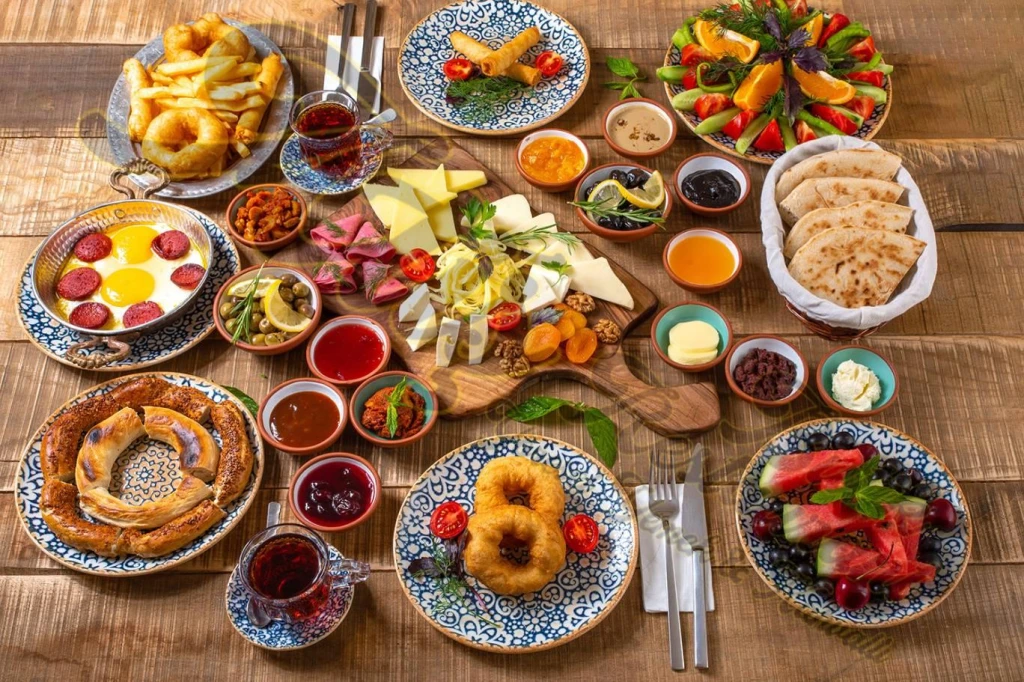
When most people think of Cappadocia, images of magical landscapes, fairy chimneys, and hot air balloons fill their minds. But there’s another side of this region that deserves just as much attention: its rich and deeply rooted food culture.
Cappadocia's cuisine is more than just a collection of delicious dishes — it is a reflection of the land, the people, and the history that have shaped this extraordinary part of Turkey. From meals cooked slowly in clay pots buried in the ground, to hand-rolled pastries prepared in family kitchens, food here is prepared with patience, care, and tradition.
Whether you're enjoying a warm village breakfast or dining in a cave restaurant carved into the rocks, every bite tells a story. In this blog, we invite you to discover the traditional dishes, local ingredients, and unforgettable food experiences that make Cappadocia a paradise not only for adventurers and history lovers but also for foodies.
What Makes Cappadocian Cuisine Unique?
Cappadocia’s cuisine is shaped by its geography, climate, and centuries of cultural influence. Located in the heart of Anatolia, the region has always been a crossroads for travelers, traders, and civilizations. Over time, this rich history has blended flavors from Central Asia, the Middle East, and the Mediterranean into something truly local.
1. Cooked with Earth and Fire
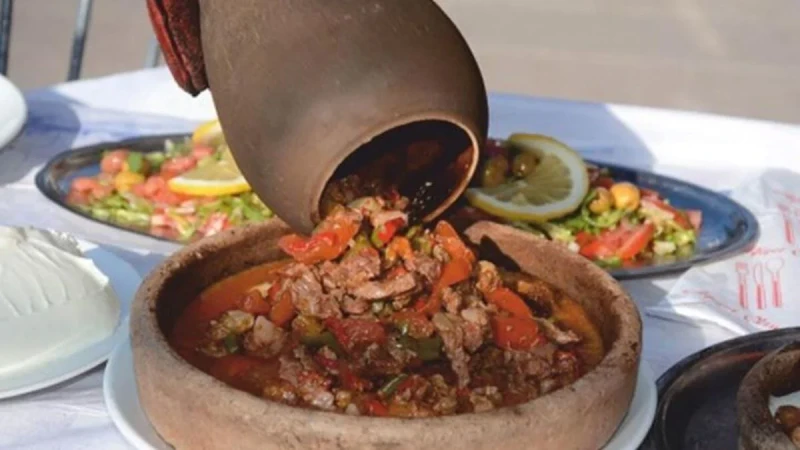
One of the most unique aspects of Cappadocian cooking is the use of clay ovens and underground tandoors (called tandır in Turkish). These traditional methods allow food to cook slowly, locking in deep flavors and creating melt-in-your-mouth textures. Dishes like testi kebabı — meat and vegetables sealed inside a clay pot and cooked over fire — are famous across Turkey.
2. Seasonal and Local Ingredients
Thanks to its fertile volcanic soil, Cappadocia is home to fresh fruits, vegetables, and herbs. Locals still rely on what’s in season, making the cuisine vibrant and flavorful throughout the year. Apricots, grapes, pumpkin, beans, and lentils are staples in many dishes.
3. A Strong Village Culture
Family, tradition, and sharing are at the heart of Cappadocian food. Many recipes are passed down through generations, often prepared for festivals, weddings, or family gatherings. In village homes, bread is still baked in wood-fired ovens, and yogurt is made by hand.
Must-Try Traditional Dishes in Cappadocia
Cappadocia offers a variety of authentic flavors that reflect its deep-rooted culture and rural lifestyle. If you want to understand the region through its food, here are some dishes you absolutely must try:
1. Soups – A Warm Welcome in Every Bowl
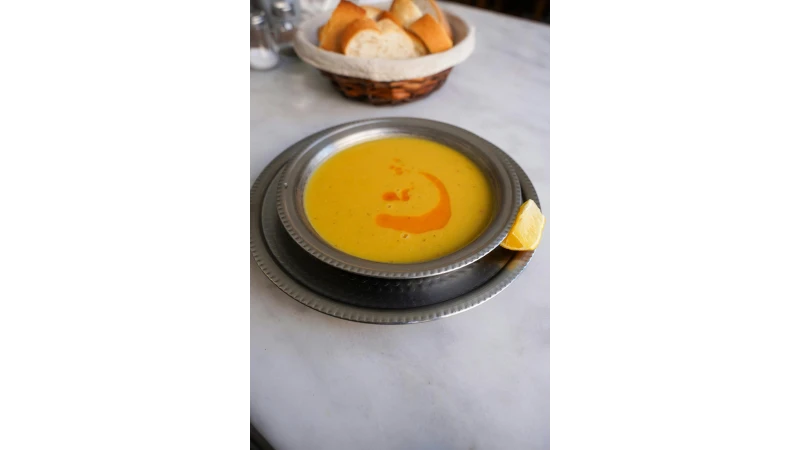
In Turkey, a meal often starts with soup (çorba), especially in winter. Locals in Cappadocia love mercimek çorbası (red lentil soup), tarhana (fermented yogurt and grain soup), or yayla çorbası (yogurt and mint soup).
Each soup is simple but full of comfort, often served with fresh bread and lemon. For travelers, it’s the perfect way to warm up after a chilly morning watching the balloons rise over the valleys.
2. Testi Kebabı (Pottery Kebab)
This is perhaps the most iconic dish of Cappadocia. Meat (usually lamb or beef), vegetables, garlic, and spices are sealed inside a clay pot and slow-cooked for hours. When served, the pot is cracked open right at your table. It’s a dramatic and delicious experience you won’t forget.
3. Tandır Kebabı (Underground Tandoor Lamb)
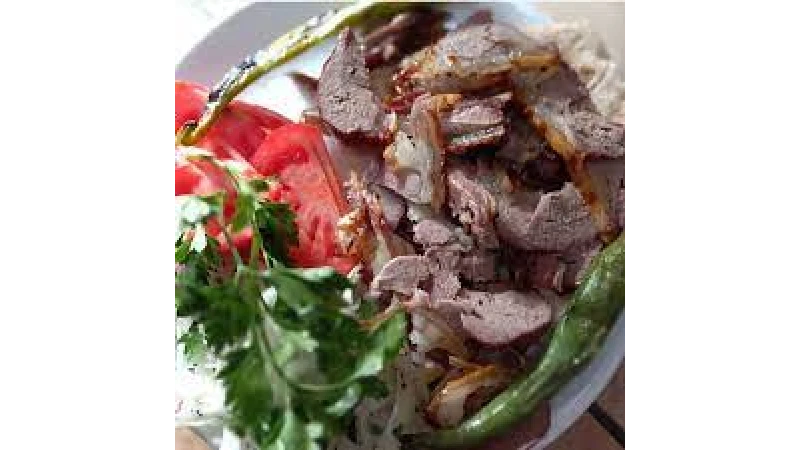
Another ancient cooking method, tandır involves slow-cooking a whole lamb or pieces of meat in an underground clay oven. The result is tender, flavorful meat that falls apart on your fork. It’s often served with flatbread and rice.
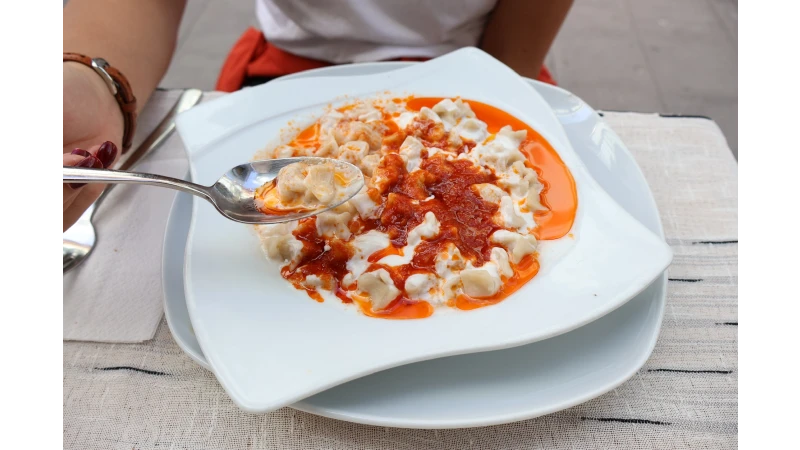
4. Mantı – Turkish Dumplings of Cappadocia
Mantı is one of the most beloved dishes in Cappadocia and across Turkey. Often called “Turkish ravioli,” these tiny handmade dumplings are filled with minced meat (usually beef or lamb), seasoned with onions, salt, and black pepper. After being boiled, they’re topped with creamy garlic yogurt and a drizzle of melted butter mixed with red pepper flakes.
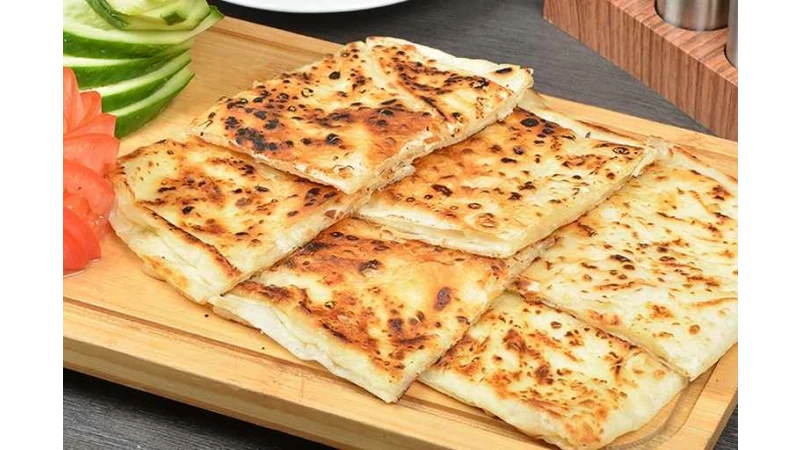
5. Gözleme – The Handmade Village Pastry
Gözleme is one of the simplest yet most loved traditional Turkish dishes. It’s a thin, hand-rolled flatbread stuffed with various fillings such as white cheese and herbs, potatoes, spinach, or minced meat. The dough is cooked on a large round griddle called a sac until golden and crispy.
You’ll often see women in small Cappadocia villages preparing gözleme in front of their stone houses or local restaurants. It’s a perfect snack during your day tour — light, delicious, and full of local flavor.
6. Döner – The Classic Turkish Street Taste
If you’ve ever walked through a Turkish town, the aroma of döner kebab is impossible to miss. Thin slices of marinated meat — usually beef or chicken — are stacked on a vertical rotisserie and slowly roasted to perfection. In Cappadocia, döner is often served with rice, grilled vegetables, or wrapped in warm lavash bread. It’s quick, affordable, and incredibly tasty — a must-try for anyone exploring local cuisine.
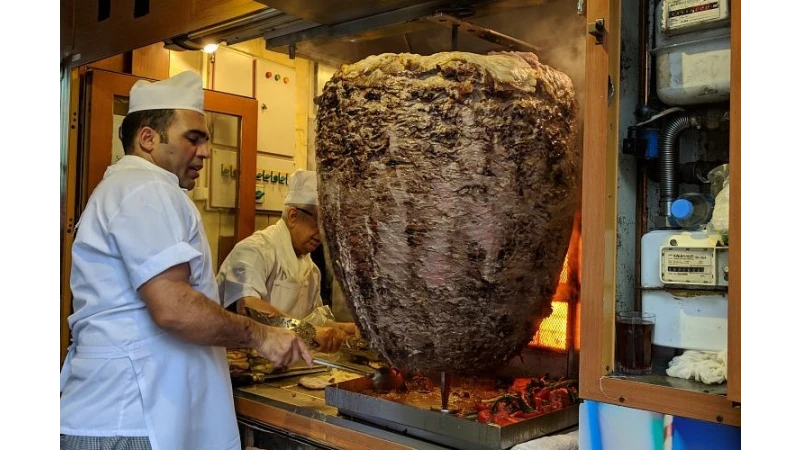
Local Tip: The best döner in the region can be found in Kayseri, the nearby city famous for its rich food culture. If you have time, don’t miss the chance to try it there — locals say you can taste the difference in every bite!
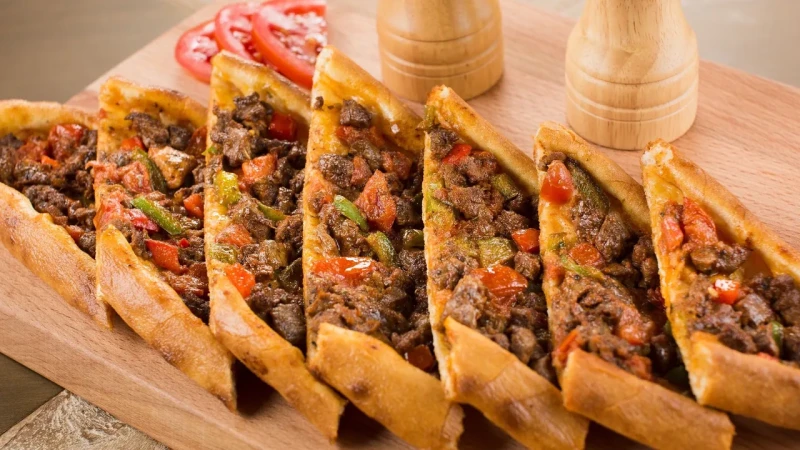
7. Pide – The Turkish Pizza
Pide is often described as “Turkish pizza,” but it has its own unique charm. Shaped like a boat and baked in a stone oven, it comes with various toppings: cheese, sucuk (Turkish sausage), minced meat, or vegetables.
In Cappadocia, pide restaurants usually use traditional ovens carved into rock walls, which gives the bread a special smoky flavor. Sharing a fresh pide straight from the oven is one of the most authentic dining experiences you can have here.
8. Baklava and Local Desserts
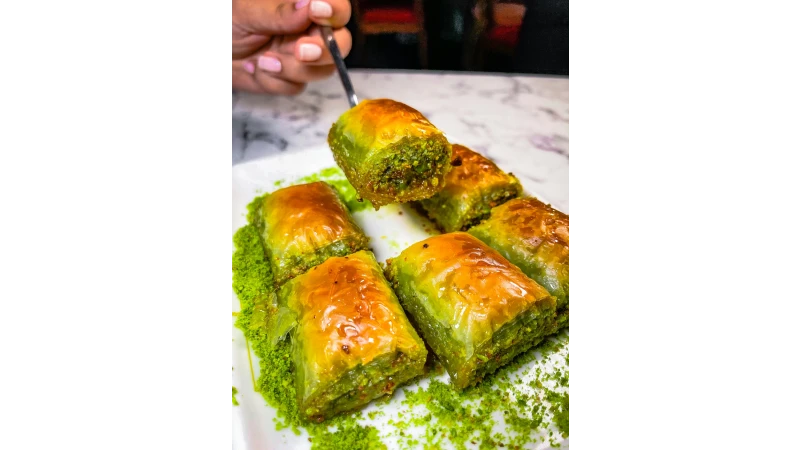
After your main course, indulge in some baklava, or try unique local desserts like kabak tatlısı (candied pumpkin with walnuts) and aside, a flour-based sweet often made during village celebrations.
Cappadocian Breakfast and Village Hospitality
One of the most heartwarming ways to experience Cappadocia’s food culture is by starting your day with a traditional village-style breakfast. Unlike a quick breakfast you might find in a city hotel, breakfast in Cappadocia is a slow, generous, and social experience.
A Table Full of Local Flavors
Cappadocian breakfast tables are filled with small plates offering a variety of tastes and textures. You’ll typically find:
Homemade jams made from local fruits like apricot, grape, and rosehip
Fresh village eggs, often cooked with tomatoes and peppers (menemen)
A selection of local cheeses, from soft white cheese to aged goat cheese
Olives, both black and green, sometimes marinated with herbs
Freshly baked bread, warm from a stone oven
Kaymak (clotted cream) served with honey harvested in nearby valleys
Tomatoes and cucumbers, picked straight from the garden
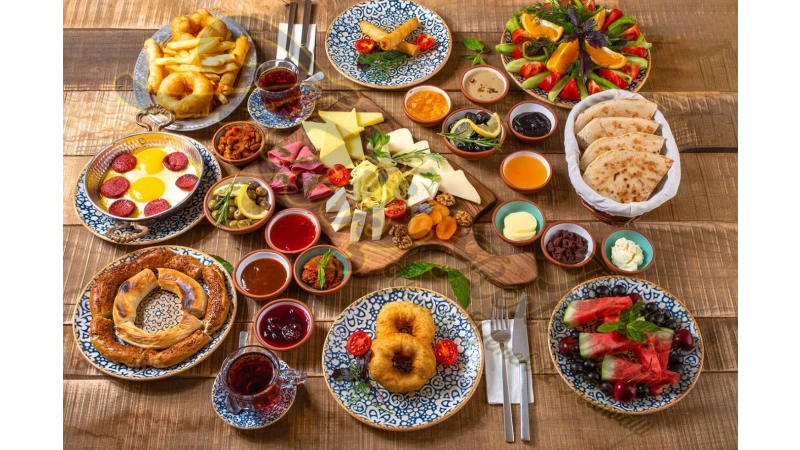
This is more than just a meal — it’s an opportunity to connect with local life, enjoy conversation, and take in the beauty of the surrounding landscapes, whether you're sitting in a village courtyard or on a terrace overlooking fairy chimneys.
Village Hospitality
In rural Cappadocia, food and hospitality go hand in hand. Guests are welcomed like family. Don’t be surprised if you're offered more food than you could ever eat — it’s a sign of generosity and kindness. In many small pensions or guesthouses, breakfast is lovingly prepared by the host family, using seasonal and homemade ingredients.
Wine Culture and Local Wineries in Cappadocia
Cappadocia is not only famous for its surreal landscapes, but also for its deep-rooted winemaking tradition, dating back thousands of years. Thanks to its volcanic soil, high altitude, and ideal climate, the region is one of the oldest and most important wine-producing areas in Turkey.
Ancient Roots of Winemaking
Winemaking in Cappadocia began during the Hittite period and continued through the Roman and Byzantine eras. Many of the rock-cut wine cellars and fermentation basins carved into the fairy chimneys or underground caves are still visible today, especially around places like Ürgüp and Uçhisar.
Indigenous Grapes of the Region
Cappadocia is home to several native grape varieties that thrive in its unique terrain:
Emir: A crisp, light white grape found only in Cappadocia
Kalecik Karası: A red grape producing elegant, fruity wines
Boğazkere and Öküzgözü: Rich red grapes often blended for a bold taste
These grapes produce wines that reflect the character of the land — earthy, fresh, and well-balanced.
Visiting Local Wineries
A visit to Cappadocia wouldn't be complete without stopping by a local winery. Some of the most well-known producers in the area include:
Turasan Winery in Ürgüp – one of the oldest and most respected wineries in Turkey
Kocabag Winery near Uçhisar – known for both modern techniques and traditional style
Vinolus – a boutique winery offering tastings in Kayseri
Wine tastings are a popular activity, and many wineries offer tours, pairings with local cheese or snacks, and even sunset tastings with valley views.
Discover the Flavors of Cappadocia – Join Us for a Culinary Journey
Cappadocia is more than fairy chimneys and underground cities — it’s a land where every meal tells a story. Whether you're tasting a slow-cooked clay pot kebab in Avanos, sharing homemade bread in a village kitchen, or walking through the vibrant stalls of a local market, the food here connects you to the heart of Anatolia.
If you're passionate about food, culture, and authentic experiences, we invite you to join our upcoming Food Tours in Cappadocia. You’ll not only taste traditional dishes, but also meet local producers, learn old family recipes, and discover how food is grown, preserved, and celebrated in this unique region.
Stay tuned — our Food Tour will be launching soon!
👉 In the meantime, feel free to contact us for personalized culinary experiences or to be the first to know when the tour is available.
Didn't find what you were looking for? With us get in touch!
You can contact us for more tours or other things. You can reach our support team 24/7.
Our partners







Subscribe to Our E-Newsletter
Subscribe to our e-newsletter to be instantly informed about campaigns and opportunities!
