info@memoriescappadocia.com
 +90 5543221703
 English
 Türkçe
 Русский
 Українська
 Español
 Français
 Deutsch
 中文
中文
 Български
 Română
 Ελληνικά
 हिन्दी
 Indonesia
 Italiano
 日本語
日本語
 Melayu
 Nederlands
 Norsk
Norsk
 Polski
 Português
 Српски
 Svenska
 العربية
 فارسی
فارسی
Cappadocia Weather and Clothing Guide: What to Pack for Every Season?


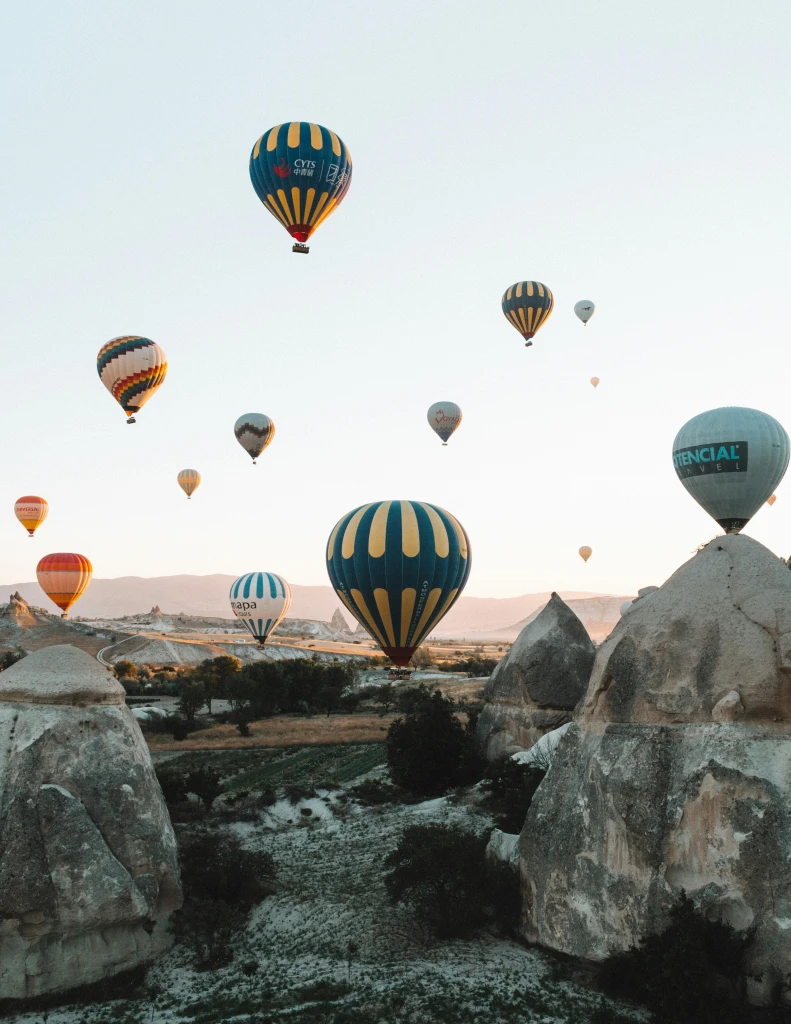
Cappadocia is a high plateau located in the heart of Central Anatolia, situated at an altitude of approximately 1,050 to 1,250 meters above sea level. Surrounded by extinct volcanic mountains like Erciyes and Hasan Dağı, this region is defined not only by its fairy chimneys but also by its harsh continental climate and unique "microclimate" features,. The geological structure formed by tuff rocks directly affects the thermal capacity of the region; these rocks absorb solar radiation during the day and rapidly release it back into the atmosphere at night, causing dramatic temperature drops at ground level.
For visitors, this geographic structure means that weather forecasts in Cappadocia are much more variable than in standard cities. Especially during the early morning hours when hot air balloon tours take place (around 05:00 - 06:30), temperatures can feel 10 to 20 degrees lower compared to midday. Even after a sunny and mild day, encountering freezing frost at night or in the morning is a typical meteorological characteristic of the region. Therefore, when packing for your Cappadocia trip, you need to plan strategically according to these dynamic atmospheric conditions, not just the calendar.
Seasonal Guide to Cappadocia: Balloon Probabilities and Weather Conditions
When planning your trip, it is critical to adjust your schedule based on flight statistics, not just your vacation days, to avoid disappointment. According to Civil Aviation data and meteorological reports, here is what to expect:
1. Winter Period (December - February): White Fairytale and Highly Cold Wheather
Winter offers mesmerizing views of fairy chimneys covered in snow, but it is the riskiest period for balloon tours.
• Weather: Temperatures can drop to -11°C or even lower during the night and early morning. There is a high risk of "severe frost" and icing in the region.
• Balloon Probability: Statistics show that January has a cancellation rate of 71%, which is very high. December and February also see cancellation rates above 50%. Snowfall, fog, and wind speed at ground level (exceeding the 11 km/h limit) are the main causes for cancellations.
• Strategy: If visiting in winter, you should plan a stay of at least 3-4 days to guarantee a chance for a balloon flight.
2. Spring (March - May): Awakening of Nature
• Weather: This is a transition period with variable weather; mornings are cool, and afternoons are mild. Atmospheric stability improves towards May.
• Balloon Probability: While cancellation rates hover around 40-50% in March and April, flight reliability increases in May, with the cancellation rate dropping to 26%.
3. Summer and Autumn (June - October): The Golden Period
• Weather: Hot and dry days prevail in summer. However, even on the hottest days, sunrise (balloon time) remains cool.
• Balloon Probability: August, September, and October are considered the "Golden Period" for balloon tours. August sees a record low cancellation rate of 7%. September and October offer both beautiful autumn colors in the valleys and a flight realization rate of over 85%, making them the ideal times to visit.
The Lifesaving Rule: Layering
Wearing a single thick sweater may not protect you in the morning frost of Cappadocia or at an altitude of 1000 meters in a balloon basket. The golden rule for fighting the cold is "Layering". This method creates air pockets between garments to preserve body heat and prevents sweating as you move.
1. Base Layer (Inner Layer) This layer is in direct contact with your skin and its primary job is to wick sweat away from your body.
• Rule: "Cotton Kills". Cotton garments absorb sweat, do not dry easily, and stay wet, causing rapid body heat loss (risk of hypothermia) especially in cold weather,.
• Selection: Thermal underwear made of synthetic materials (polyester) or merino wool that wicks moisture away should be preferred to keep you dry and warm.
2. Mid Layer (Insulation) The function of this layer is to trap body heat to keep you warm.
• Selection: Fleece jackets or wool sweaters are the best options. Fleece is lightweight, keeps you warm, and dries quickly. If the weather is around 5-10°C, this layer combined with a base layer will often be sufficient.
3. Outer Layer (Shell) This is your shield against wind, rain, and snow.
• Selection: Windproof and waterproof (Gore-tex, etc.) jackets or coats are essential. Although you may not feel the wind much in the basket since balloons move with the wind, wind protection is vital at the landing site, during transfer, or while waiting for the flight.
Specific Clothing and Equipment Advice for Balloon Tours
When preparing for a balloon tour, you should consider operational safety as well as protection against the cold. The launch sites are often in open fields, and the landing can happen in uncultivated terrain.
• Footwear Choice: You will be standing in the balloon basket for approximately one hour and walking on uneven, sometimes muddy or snowy terrain during landing. Therefore, high heels, sandals, or flip-flops are absolutely not suitable. You should wear sturdy, closed-toe shoes with good grip to ensure safety while climbing into the basket and walking on the ground,. In winter, waterproof boots are the best option.
• Head and Hands: A significant amount of body heat is lost through the head in cold weather, so wearing a warm hat or beanie is essential, especially during the freezing winter mornings. Additionally, since you will likely want to take photos of the breathtaking scenery, wearing gloves is crucial to keep your fingers from freezing.
• Eye Protection (Sunglasses): Cappadocia's high altitude and snowy landscapes in winter can increase UV reflection, creating a risk of "snow blindness". Even if it is cloudy, do not forget to bring your sunglasses to protect your eyes from the glare.
Pre-Travel Checklist
Before closing your suitcase and heading out, review this list to ensure you are fully prepared for Cappadocia's variable conditions:
• Official Check (Flag Status): Before arriving in Cappadocia or when you wake up in the morning, check the "Flag Status" on the website of the Slot Service Center (SHM) affiliated with the Directorate General of Civil Aviation. A green flag indicates that flights are authorized, while a red flag indicates cancellation due to weather conditions.
• Wind Speed Monitoring: Even if the weather looks sunny, wind speed is the critical factor. Check meteorological forecasts to see if the wind exceeds the 11 km/h (approx. 6-7 knots) limit; flights are strictly cancelled above this limit for safety.
• Footwear Choice: Leave high heels at home as you will be standing in the balloon basket for an hour and walking on uneven, open terrain. Choose waterproof boots with non-slip soles for winter, and comfortable closed-toe sports shoes for summer.
• Skin and Eye Protection: Cappadocia's dry continental climate can crack your skin; bring a good moisturizing cream. Also, keep your sunglasses with you to protect against strong UV reflection ("snow blindness" risk) especially on snowy days.
• Backup Plan (For Winter): Since flight cancellation rates can reach up to 70% in winter months (especially January), it is highly recommended to plan a stay of at least 3-4 days in the region to maximize your chances of flying.
Frequently Asked Questions About Cappadocia Weather and Balloon Tours (FAQ)
1. At what wind speed are Cappadocia balloon tours cancelled?
Hot air balloons are very sensitive to wind. According to Civil Aviation rules, flights are cancelled for safety reasons when the surface wind speed exceeds the limit of 11 km/h (approximately 6-7 knots). Flights are also not conducted in cases of heavy fog, heavy rain, or reduced visibility.
2. Are balloon tours operated in Cappadocia during winter?
Yes, balloon tours in Cappadocia operate 12 months a year. However, cancellation rates are significantly higher in winter months (December-March) due to adverse weather. Statistics show that the cancellation rate for flights in January can exceed 70%. If you plan to fly in winter, you should have a flexible travel plan to try the next day in case of cancellation.
3. How should I dress for a balloon tour?
Since balloons can rise up to 1000 meters, the temperature in the air is lower than on the ground. You should definitely prefer layering as you will stand in the basket for about 1 hour without much movement.
• In Winter: Thermal underwear, a fleece or wool sweater on top, and a windproof jacket are essential. Avoid cotton as it holds moisture,. Wearing a beanie and gloves is crucial to preserve body heat.
• In Summer: Since the early morning hours are cool, it is recommended to bring a light jacket or cardigan.
4. Can pregnant women and children participate in the balloon tour?
For safety reasons, pregnant women are not allowed to participate in balloon tours due to the potential for bumpy landings. For children, a 6-year age limit is usually applied; they must be tall enough (approx. 120 cm) to see over the edge of the basket and must be under parental supervision,.
5. At what time of day are balloon tours conducted?
Balloon tours are conducted at sunrise, when the wind is calmest and thermal air currents are most stable. Hotel pickup times vary between 04:00 and 06:30 depending on the season.
Our partners