info@memoriescappadocia.com
 +90 5543221703
 English
 Türkçe
 Русский
 Українська
 Español
 Français
 Deutsch
 中文
中文
 Български
 Română
 Ελληνικά
 हिन्दी
 Indonesia
 Italiano
 日本語
日本語
 Melayu
 Nederlands
 Norsk
Norsk
 Polski
 Português
 Српски
 Svenska
 العربية
 فارسی
فارسی
A Fairytale Land: Cappadocia


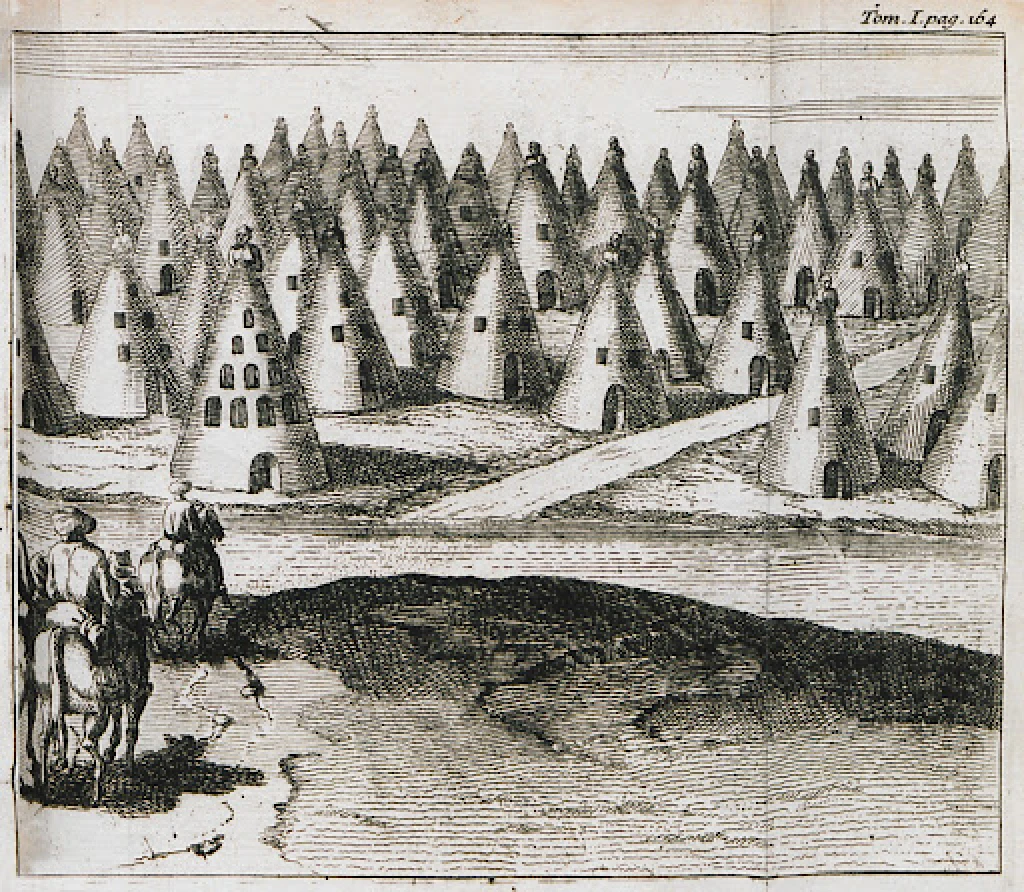
When the traveler Paul Lucas described the surreal shapes of this land in the early 17th century, the scholars of his country refused to believe him. It took official diplomatic confirmation for the world to accept that there is a place where nature and man conspired to abolish logic.
Today, Cappadocia is not just a UNESCO monument. It is a "living" geography that breathes and changes. If you visited many years ago, today you will find a different Cappadocia, because the wind and rain continue to sculpt its face, reminding us that nothing remains static.
Many call it the "Land of Beautiful Horses." Perhaps it is a tourist myth, a beautiful slogan. But the truth lies deeper: here, in Roman times, the most exquisite horses in the world were bred. Their traces still exist, if you know where to look.
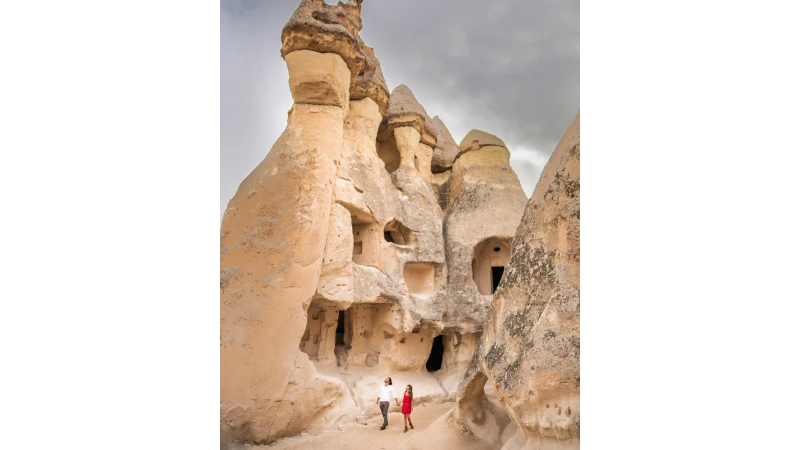
For the traveler, Cappadocia is the Great Refuge. A place that, by its very nature, offers protection. Surrounded by mountain massifs, it was the fortress of the persecuted. When invaders arrived to plunder its produce, the inhabitants did not flee; they retreated into the stone itself. They carved the tuff, creating cities beneath the earth and monasteries within the rocks.
Here, Christianity found the silence it needed to flourish. The early Christians did not just build churches; they "gave birth" to them from the rocks. Here, monasticism was founded; here, the Fathers of the Church gave shape to the Faith.
And among these ravines, between the underground galleries and the vineyards, the shadow of Digenis Akritas still hovers. The echo of the Akritic Songs did not fade with the Population Exchange. It became the root of the refugees' memory, the antidote to oblivion.
Today, Cappadocia no longer sleeps in its underground tunnels but wakes before dawn, as hundreds of colorful balloons rise into the sky. It is the moment when the silence of the rock meets the whisper of the burners, and the landscape is bathed in a light that seems to come from the birth of the world. This "choreography" in the air is the modern face of a place that managed to turn isolation into a global calling, without losing its soul.
And when our feet touch the ground again, Cappadocia welcomes us with its flavors—robust tastes born of necessity and patience. It is the aroma of Testi Kebab simmering in clay before being broken before our eyes; it is the sweetness of baklava and the earthy deliciousness of lentils. It is the wine from local vineyards, whose roots have been nourished by volcanic ash for centuries, offering us a "gift" of hospitality. At every table, in every sip of wine, Cappadocia reminds us that life here is a celebration of the senses, a continuity that begins at the ancient wine press and reaches the present day.
Why go to Cappadocia? Not to see "sights," but to find yourself in a place where survival became art. To feel that in a desert of fears, man can always carve his own refuge.
Our partners